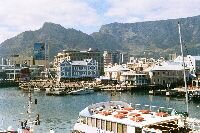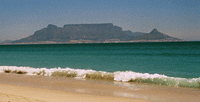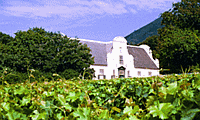







































About Cape Town - a touch of history and cultural contrastsFind out about what to do in our city here: Cape Town Holiday Ideas Here are some photos I've taken around the city and surrounding areas: Cape Town Pictures Cape Town is situated on the south western tip of the African continent, in one of the most beautiful natural locations in the world. Many of us locals forget that the original inhabitants of the region were the Khoi San people. Their ancestry can be traced back thousands of years, through the discovery of fossils and artifacts, to the origins of humanity in Central Africa. The "Mother City" as we have become known over the years was the first South African port established by European settlers in the 16th century. Dutch sailors working for the VOC - Dutch East India Company set up a refreshment station at the Cape. They also established the Company Gardens in the city which was used to provide passing ships on route to the West Indies with fresh produce. The gardens still exist, have been stocked with exotic plants and trees and are now a place of relaxation for us Capetonians. Early Culture and language List your own Cape Town accommodation on this site at no charge Try searching and booking your budget Cape Town hotel or hostel accommodation using the form below. You'll find an interesting variety. The Cape Malay people of today with their unique Muslim cultural heritage, and the Christian 'coloured' community descended from mixed blood unions between the early settlers, the indigenous Khoi and the slaves who brought their different cultures into the region. Read more about our history here: Cape Town History For information about some of the most relevant pages on this site: click here Trying to find your way around? Here's a useful map page For more useful information go to my Cheap Flights page.
Here are some more of my Cape Town Information pages:
Part 2 is here: City of Cape Town Return from this Cape Town page to Business | Souvenirs | Cape Town Reviews | Cape Town Safaris Link Directory |Contact Page | Site Map |
|||||||||||||
Must See Pages
on this site